Spring brings a natural shift in student routines. Longer days, warmer weather, busy sporting schedules and the approach of exams all change the way students eat, socialise and use their dining spaces.
For boarding schools and university residential communities, it’s a good opportunity to look beyond the traditional seasonal menu and consider how dining can better support the way students live today.
So, what should education communities be thinking about this spring?
1. Dining is becoming part of the student experience
The days of the institutional “eat and run” dining hall are giving way to something more social and hospitality-focused. Students increasingly want spaces where they can linger, catch up with friends, and feel part of their community.
Dining halls can become a kind of “third space”, somewhere between home, study, and social life. It could mean bringing more variety and interaction into the dining experience through:
- Themed food nights and international cuisine events
- Outdoor BBQs and spring dining activations
- Pop-up food concepts that create something different from the everyday menu
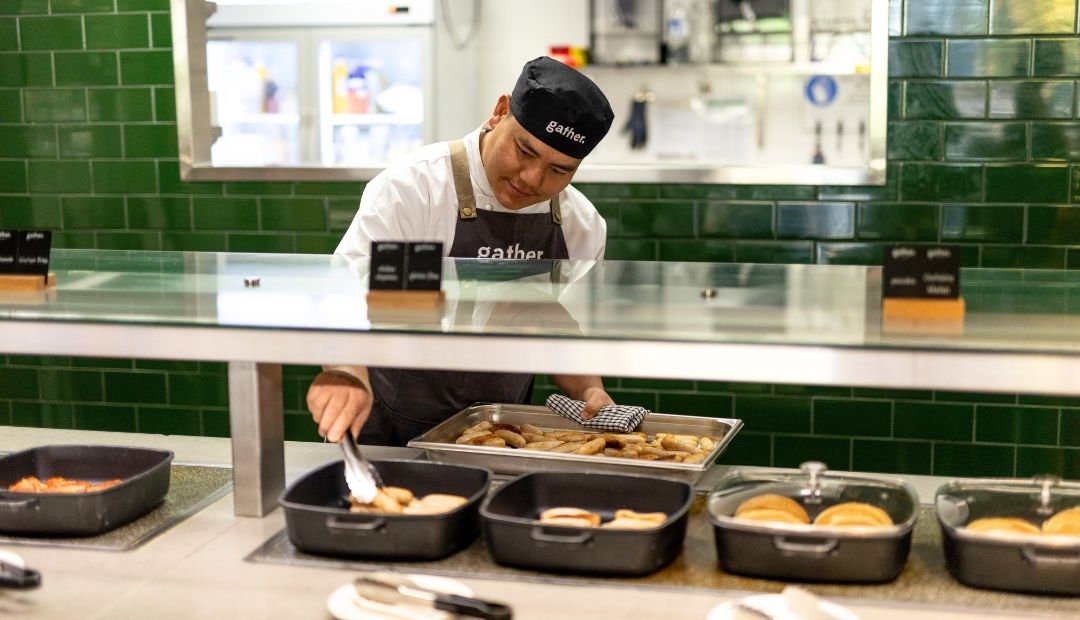
At gather by Cater Care, themed dining and community events are already part of the approach to residential catering. From international food nights to larger themed experiences, the focus is on making mealtimes something students can look forward to, while creating opportunities for connection around food.
2. Fresh, seasonal and flexible choices are increasingly important
“Students living as residents at boarding school receive the majority of their daily food and drink intake from these facilities, so it is important they have access to healthy food required for growth, to maintain a healthy weight and to prevent the development of chronic diseases.”
Queensland Department of Education, Smart Choices Strategy FAQ

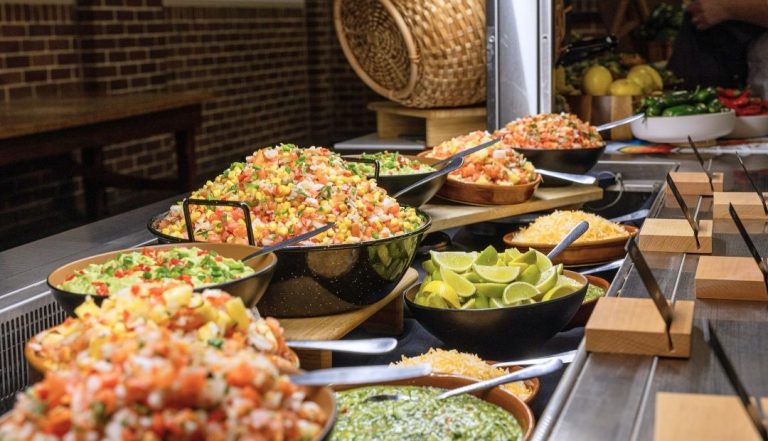
Spring is particularly well suited to this approach. Fresh vegetables, leafy greens, herbs and seasonal fruit can bring lighter, more vibrant options to the menu.
Flexibility also needs to extend beyond the food itself. Students don’t all eat at the same time, particularly for university residents and older boarding students with more independent schedules. That makes options such as grab-and-go breakfasts, lunches and snacks increasingly valuable.
At gather by Cater Care, menus are designed around seasonal produce, with flexible menu planning tailored to the needs of each education community. Student feedback is also built into the process, such as the Food Forum, helping menus continue to evolve with the students they serve.
3. Global flavours reflect increasingly diverse student communities
Australian boarding schools and universities bring together students from different regions, cultures and backgrounds. 14% of boarders in Independent boarding schools are international students, and international students account for 31% of all on-campus university students in Australia.
That diversity creates an opportunity to make culturally diverse food a regular part of the dining experience. Authenticity matters, from the ingredients and flavour profiles to the way dishes are prepared and presented. It also means listening to students rather than assuming what they want.
Done well, these dishes can provide something familiar for a student missing home, while also giving other students the opportunity to discover new cuisines.
For gather by Cater Care, food is an important part of creating a home away from home. Its approach combines a broad range of cuisines and authentic flavours with student feedback, helping education communities create menus that are both nourishing and culturally inclusive.
4. Nutrition and wellbeing remain at the centre
Spring menus can be fresher and more vibrant, but nutrition should remain the foundation of the dining program.
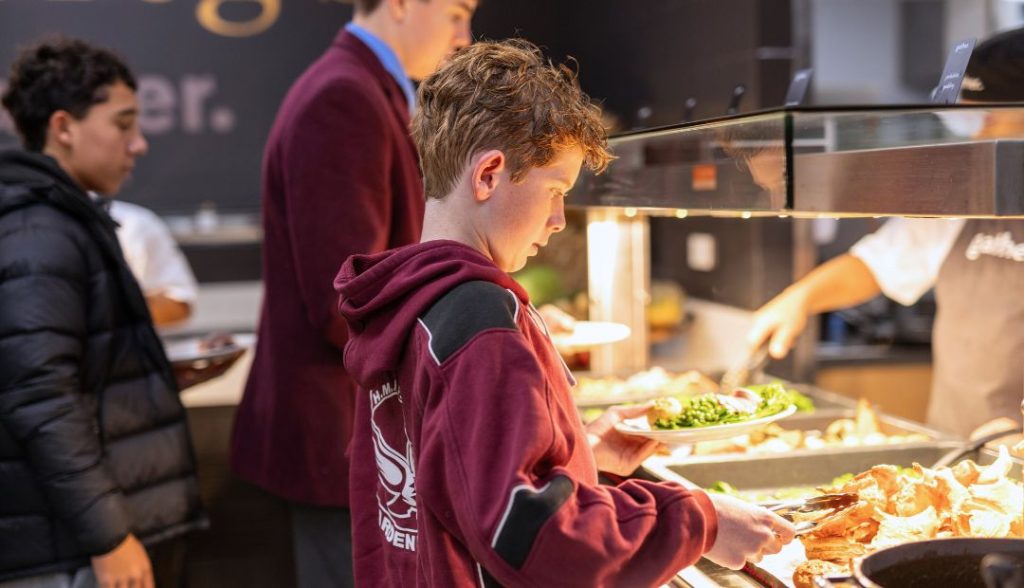
For students balancing study, sport, social commitments and, at times, significant academic pressure, consistent access to nourishing food matters. For boarders and residential students in particular, this responsibility is amplified. Dining may provide the majority of their meals while they are away from home, making nutrition, variety, and food education an important part of their overall experience.
Our Healthy Eating Program takes a holistic approach, with menus reviewed and approved by our in-house dietitians against the Australian Guide to Healthy Eating and the Aboriginal and Torres Strait Islander Guide to Healthy Eating. The goal isn’t simply to put a “healthy” option on the menu. It’s to make nourishing food part of an enjoyable dining experience.
5. Sustainable dining needs to be visible
Sustainability is increasingly becoming part of what students expect from the organisations they study and live with.
In a dining environment, that expectation can show up in very practical ways. Schools and university residences can look at opportunities such as:
- Using seasonal and locally sourced ingredients
- Measuring and reducing food waste
- Using reusable or lower-impact alternatives where appropriate
- Creating kitchen gardens or other student-led sustainability initiatives
There is also an opportunity to turn sustainability into a community activity rather than simply an operational target. For example, gather by Cater Care has explored vermicomposting as a way to divert food waste while giving students a tangible way to engage with sustainability. At one education site, the vermicomposting program reduced food waste by one-third, while also creating an opportunity for students to see how food scraps can become useful resources.
Looking beyond the next food trend
The future of student dining isn’t about chasing every viral food trend. It’s about understanding the students you’re feeding and creating a dining experience that can adapt with them.
For some students, that might mean a familiar meal from home. For others, it’s discovering a new cuisine with friends. It might be a quick breakfast before training, a nutritious meal during exam season, or a themed dinner that brings the whole residential community together.
Ultimately, the strongest education dining programs bring these needs together: fresh food, flexibility, nutrition, cultural inclusion, sustainability and connection.

To find out more, get in touch with David O’Brien to have a quick chat about how gather can provide your students and residents with a well-rounded and connecting mealtime experience.